January 3, 2024
California Plans to Ban New Propane and Gas Forklifts Starting in 2026
CARB’s Zero-Emission Forklift Initiative
In the last decade, California has laid the foundation for low-carbon and alternate fuel initiatives through a series of legislation and mandates that phase out traditional gas and diesel vehicles while incentivizing zero-emission alternatives in the transportation and industry sectors. While the majority of California’s initiatives have so far focused on mandating zero-emission commercial trucks and incentivizing the adoption of low-carbon commercial vehicles, a proposed regulation would ban the sale and purchase of commercial ICE forklifts as early as 2026. The regulation, which was drafted in February 2022 and updated with its latest version in July of the same year, will require new Class IV forklifts purchased or leased in the State of California to be zero-emission starting January 1, 2026. Class IV forklifts, commonly used in warehouse operations, are powered by gas, diesel, or propane, and are a significant contributor to greenhouse gas emissions. The proposed regulation is expected to go into effect in 2026 and will require fleets to begin transitioning to zero-emission forklifts by 2028. By January 1, 2028, fleet owners will be required to gradually retire Class IV forklifts 10 years or older, or forklifts containing an engine 10 years or older. This will allow fleet owners in California to reach CARB’s goal of 100% zero-emission forklifts by 2038. To make this transition easier for fleet owners, CARB has permitted several exemptions to these rulings:- The regulation targets ICE forklifts with a carrying capacity of 12,000 lbs or less. Any fleet that replaces an ICE forklift with a carrying capacity greater than 12,000 lbs may delay the replacement of a regulated forklift until 2038.
- Forklifts not affected by this regulation include:
- Rough terrain forklifts
- Pallet jacks
- Forklifts with a permanently installed telescoping boom
- Forklifts used as combat and tactical support equipment
- Forklifts owned or operated by a facility that falls under the jurisdiction of the Mobile Cargo Handling Equipment at Ports and Intermodal Rail Yards Regulation are not subject to regulation.
- Small businesses with less than 25 employees and less than $5 million in annual gross receipts may continue using one ICE forklift.
- Fleet owners may qualify to use ICE forklifts in low-use scenarios, with no more than 200 hours of use per calendar year.
Adapting to Zero-Emission Forklifts
 While the regulation may seem daunting, fleet owners can get ahead of the curve by transitioning their fleets ahead of time. Many fleet owners have reported their transition to electric to be well worth the initial investment, citing reduced costs of fuel and maintenance, fewer liabilities due to improved performance, and safer working conditions.
Read more about how electric forklifts are outcompeting traditional ICE forklifts: Costs and Benefits of Electric Forklifts
Additionally, fleet owners that transition their fleet ahead of schedule can take advantage of the Low Carbon Fuel Standard (LCFS), which allows operators to earn additional revenue through the use of their electric vehicles and material handling equipment (MHE). Through the LCFS, fleet operators can generate credits through their reduced emissions, which can be sold to fuel producers for additional revenue. Currently, there is no mention of how LCFS credit generation will be affected by this new regulation, so fleet owners should take advantage of financial incentives while they are available.
Learn more about the LCFS and how Smart Rebates™ can help ease the cost of your transition: Unlocking the Potential of Low Carbon Fuel Standard Credits in California: How the LCFS Works
While the regulation may seem daunting, fleet owners can get ahead of the curve by transitioning their fleets ahead of time. Many fleet owners have reported their transition to electric to be well worth the initial investment, citing reduced costs of fuel and maintenance, fewer liabilities due to improved performance, and safer working conditions.
Read more about how electric forklifts are outcompeting traditional ICE forklifts: Costs and Benefits of Electric Forklifts
Additionally, fleet owners that transition their fleet ahead of schedule can take advantage of the Low Carbon Fuel Standard (LCFS), which allows operators to earn additional revenue through the use of their electric vehicles and material handling equipment (MHE). Through the LCFS, fleet operators can generate credits through their reduced emissions, which can be sold to fuel producers for additional revenue. Currently, there is no mention of how LCFS credit generation will be affected by this new regulation, so fleet owners should take advantage of financial incentives while they are available.
Learn more about the LCFS and how Smart Rebates™ can help ease the cost of your transition: Unlocking the Potential of Low Carbon Fuel Standard Credits in California: How the LCFS Works
Related Posts
 Why Most Motive Power Fleets Are Overbuilt — and Don’t Know It
- How One Tool Sparked SCT’s Telematics Platform
- Why Mixed Fleet Monitoring Breaks Down
- Smart Charging Technologies Unveils the New BATTlink: A Smarter, Slimmer and Simpler Way to Monitor Fleet Batteries
- Switch Always On Secures Patent for Breakthrough Power Management Technology
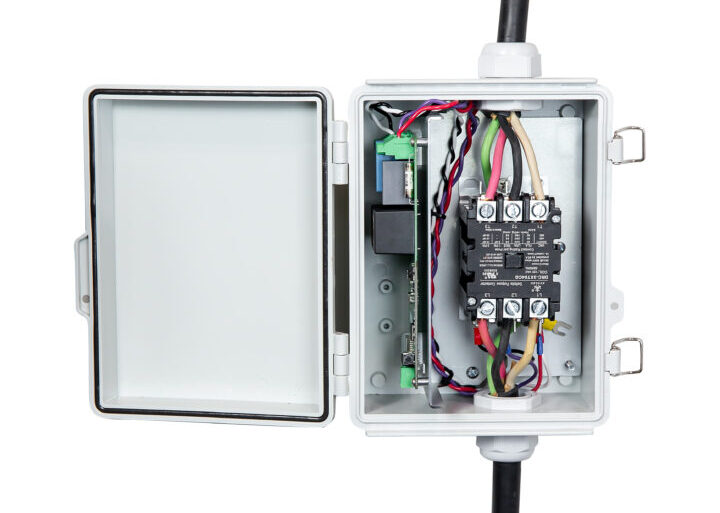
 Switch Always On Unveils SAO HP, a High-Voltage Remote Power Solution at InfoComm 2025
- Smart Charging Technologies Launches Smart Telemetrics Dashboard: A New Era of Simplicity in Motive Power Fleet Visibility
- Smart Charging Technologies to Unveil the Next Generation of Telematics System Solutions at ProMat 2025
- Maximizing Uptime on a Budget: Compete with Industry Leaders
- Finding the Right Fit: Essential Fleet Insights Without the Extras




About Us

SCT provides cost-effective telematics and remote power management solutions that optimize motive power fleet and self-service machine efficiency and reduce downtime with essential insights.
Share With Your Network
Popular Posts
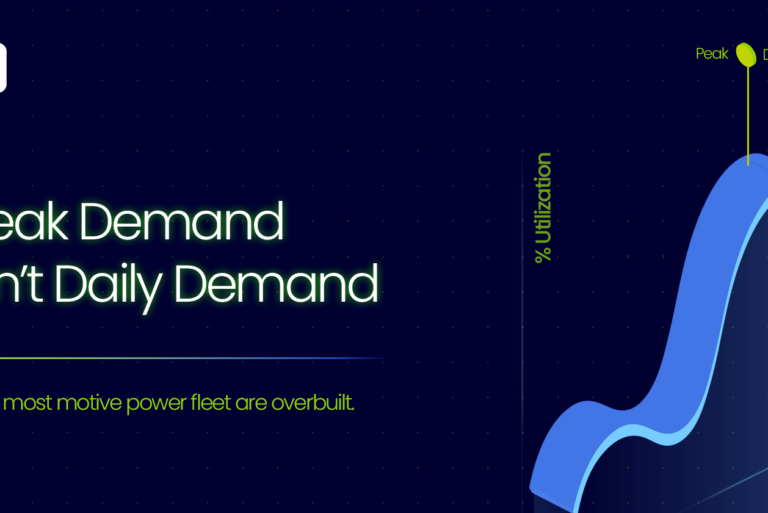
Why Most Motive Power Fleets Are Overbuilt — and Don’t Know It
Are Electric Forklift Fleets Built for Peak Demand — or Daily Reality? Walk into almost any warehouse or distribution center and you’ll see a motive power fleet built for peak demand. Extra batteries. Extra chargers. Extra trucks. And in many cases, that configuration once made sense. But how often does your electric forklift fleet actually…
 Katherine Perez
How One Tool Sparked SCT’s Telematics Platform
From Energy Data to Operational Intelligence: How One Tool Sparked SCT’s Telematics Platform Smart Charging Technologies didn’t start with the goal of building a telematics platform. We started with battery monitoring — because fleets needed a better way to understand how their most critical assets were actually being used day to day. As that work expanded, it naturally…
Katherine Perez
Why Mixed Fleet Monitoring Breaks Down
If you’re supporting fleets today, chances are they didn’t choose to become mixed. It just… happened. A new battery chemistry introduced to meet demand. A different charger deployed to solve a short-term problem. Incentive-driven upgrades layered onto legacy equipment. None of these decisions were wrong. In fact, most were necessary. What teams didn’t plan for…
Katherine Perez
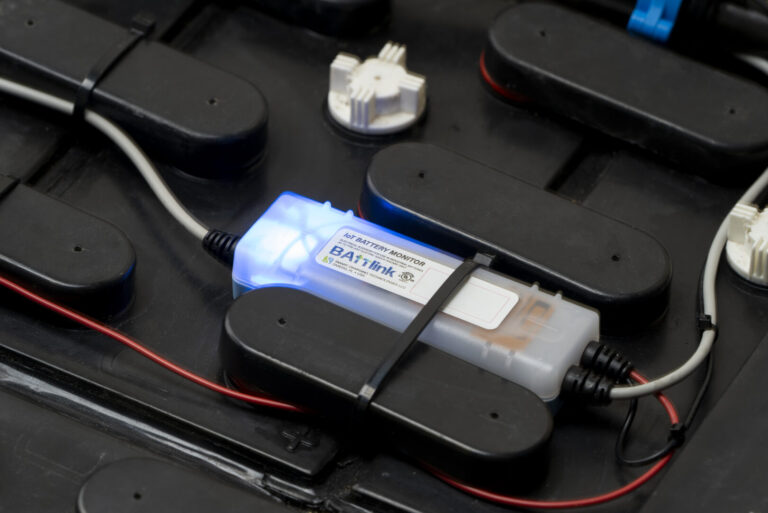
Smart Charging Technologies Unveils the New BATTlink: A Smarter, Slimmer and Simpler Way to Monitor Fleet Batteries
Orlando, FL – 12/16/25 — Smart Charging Technologies (SCT) announces the launch of its newest generation of BATTlink — a compact, cellular battery monitoring solution designed to transform how dealers, OEMs, and fleet operators manage battery health and performance.With a mission to eliminate guesswork from battery management, the redesigned BATTlink features a slimmer profile, our…
Katherine Perez
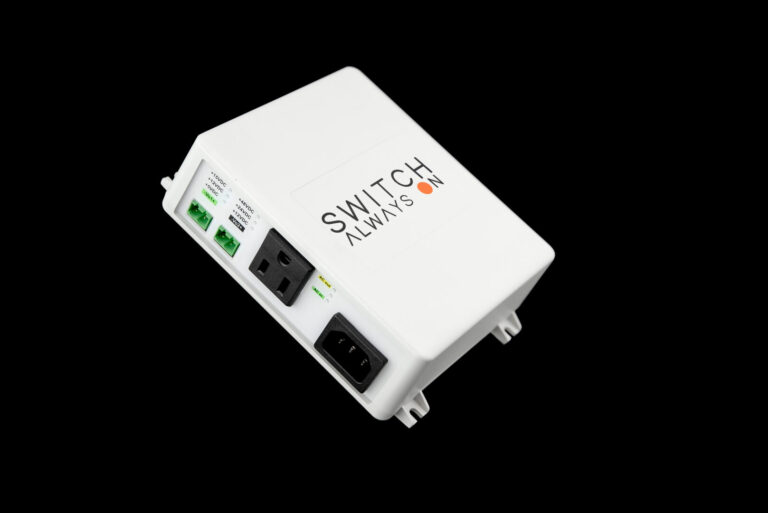
Switch Always On Secures Patent for Breakthrough Power Management Technology
Orlando, FL – July 15, 2025 — Switch Always On powered by Smart Charging Technologies LLC, a leading provider of remote power management and connectivity solutions, is proud to announce the issuance of U.S. Patent No. 12,355,243 titled: “Multiport Power Management System With Battery And Connectivity Backup Capabilities And Related Methods.” This patent recognizes the…
Katherine Perez