October 5, 2023
The Costs and Benefits of Electric Forklifts
Electric Forklifts Costs: Considerations
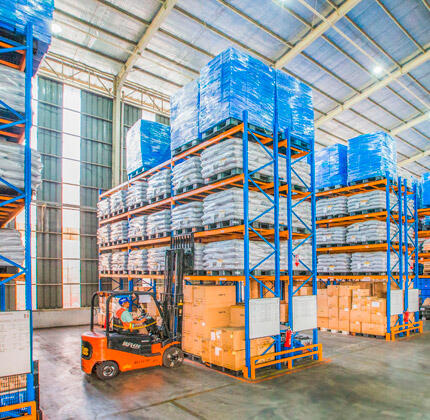 A major hesitation that many fleet owners and forklift operators face when switching to electric vehicles is the heavy financial costs associated with purchasing electric forklifts. Electric forklifts generally have a higher upfront cost compared to their diesel or propane counterparts. The initial investment includes the cost of the forklift itself along with necessary charging infrastructure. A new electric forklift can cost up to $40,000, and those with higher carrying capacities can cost up to $80,000. This is roughly 50% higher than the costs of a traditional ICE forklift, and also comes with the costs of batteries and installing in-house charging stations, which can add an additional $5,000 to the price of a new electric forklift.
While these prices are understandably off-putting to warehouse operators, the costs of electric forklifts can quickly be outweighed by their benefits.
A major hesitation that many fleet owners and forklift operators face when switching to electric vehicles is the heavy financial costs associated with purchasing electric forklifts. Electric forklifts generally have a higher upfront cost compared to their diesel or propane counterparts. The initial investment includes the cost of the forklift itself along with necessary charging infrastructure. A new electric forklift can cost up to $40,000, and those with higher carrying capacities can cost up to $80,000. This is roughly 50% higher than the costs of a traditional ICE forklift, and also comes with the costs of batteries and installing in-house charging stations, which can add an additional $5,000 to the price of a new electric forklift.
While these prices are understandably off-putting to warehouse operators, the costs of electric forklifts can quickly be outweighed by their benefits.
The Benefits of Electric Forklifts
A number of states in the US are encouraging a transition to electric forklifts and other material handling equipment (MHE) through rebate programs that support sustainability goals. Many warehouse operators are hesitant to invest in electric forklifts due to their high costs; however, the advantages of electric forklifts extend to operational and financial benefits for warehouse owners and operators, which can lead to long-term savings that offset the initial investment costs completely.Maintenance Costs and Energy Efficiency
One of the most significant advantages of electric forklifts is their reduced operating costs. Electric forklifts boast significantly lower operating costs compared to internal combustion forklifts. Electricity is far less expensive than the propane or diesel used by ICE forklifts and is far more fuel-efficient, which can be a major source of long-term savings, especially for warehouses that operate large fleets of heavily-utilized forklifts. Additionally, electric forklifts require significantly less maintenance over their service life, with some brands reporting no major repairs for the first 20,000 miles of usage. This can result in major long-term savings in operational and maintenance costs, with ICE forklifts requiring an average of $1,500 in repairs per year, as compared to an average of $500 per year for electric forklifts.Improved Air Quality
Another advantage electric forklifts hold over their ICE counterparts is their zero tailpipe emissions. This contributes to improved indoor air quality and is ideal for indoor applications where ventilation may be a concern. This not only ensures a healthier work environment for operators but also aligns with sustainability goals. For operators in California who are required to abide by AQMD WAIRE Program fees, this can be a significant source of savings.Improved Performance
One aspect of electric forklifts that often goes overlooked is their enhanced performance over ICE forklifts. Electric forklifts offer smooth and consistent acceleration, making them well-suited for indoor applications where precise handling is essential. They also have impressive torque at low speeds, which enhances their performance in tight spaces. For warehouses operating fragile materials, this can greatly reduce liability associated with damaging products. Additionally, electric forklifts offer smoother and quieter rides, which many operators have reported leading to better working conditions and reduced concerns for worker health and safety. Not only do these benefits help bring in long-term savings to warehouse operators and forklift owners, but many states offer rebate and funding programs that help make the transition to electric forklifts even easier. Learn how SCT can help you sign up and earn with our Smart Rebates program. Learn how warehouse operators are taking advantage of funding opportunities to further offset the costs of their electric vehicles: Success Stories: How Businesses Are Offsetting the Cost of Transitioning to ElectricAbout Us

SCT provides cost-effective telematics and remote power management solutions that optimize motive power fleet and self-service machine efficiency and reduce downtime with essential insights.
Share With Your Network
Popular Posts
Mixed Fleet Telematics: Why Independent Visibility Wins
If Your Platform Only Sees Its Own Trucks, What’s Watching Everything Else?Walk onto most warehouse floors today and you won’t find a single-brand fleet. You’ll find a reach truck from one manufacturer next to a counterbalance from another, an order picker from a third, batteries from a couple different suppliers, and chargers that were installed…
 Katherine Perez
From Study to Savings: What Continuous Fleet Monitoring Actually Finds
The savings aren’t created by the monitoring. They’re revealed by it. Here’s what that looks like in practice — and why the findings consistently surprise even experienced fleet managers. WHAT MOST FLEETS DON’T KNOW THEY DON’T KNOWWalk into almost any warehouse or distribution center and you’ll find a fleet that’s being managed with reasonable care —…
Katherine Perez
Truklink™ Is Here
We talk a lot about clarity at Smart Charging Technologies. Clarity in your data. Clarity in your decisions. Clarity in what your fleet is actually telling you versus what you assumed it was. So it only made sense to apply that same standard to ourselves. Introducing Truklink™ and Truklink PS™ — the next evolution of…
Katherine Perez
What You Didn't Know About Your Fleet — And What You Can Do With It Now.
When continuous fleet monitoring surfaces something unexpected, the instinct is to question the data. Here’s why that moment is actually the most valuable one in the whole process. WHEN THE NUMBERS LOOK DIFFERENTThe monitoring devices have been running for a few weeks. The data is coming in. And some of it doesn’t match what you expected.A…
Katherine Perez
All-In-One Energy Metering Has Arrived — Introducing the IoTEmeter Series by Smart Charging Technologies
One device. Meter, enclosure, cellular connectivity, and a five-year LTE data plan — all included. Here’s what that means for your operation.Orlando, FL – 5/27/26 — Most energy metering solutions are sold in pieces. You buy the meter from one vendor, the enclosure from another, track down a cellular router separately, and then figure out…
Katherine Perez